



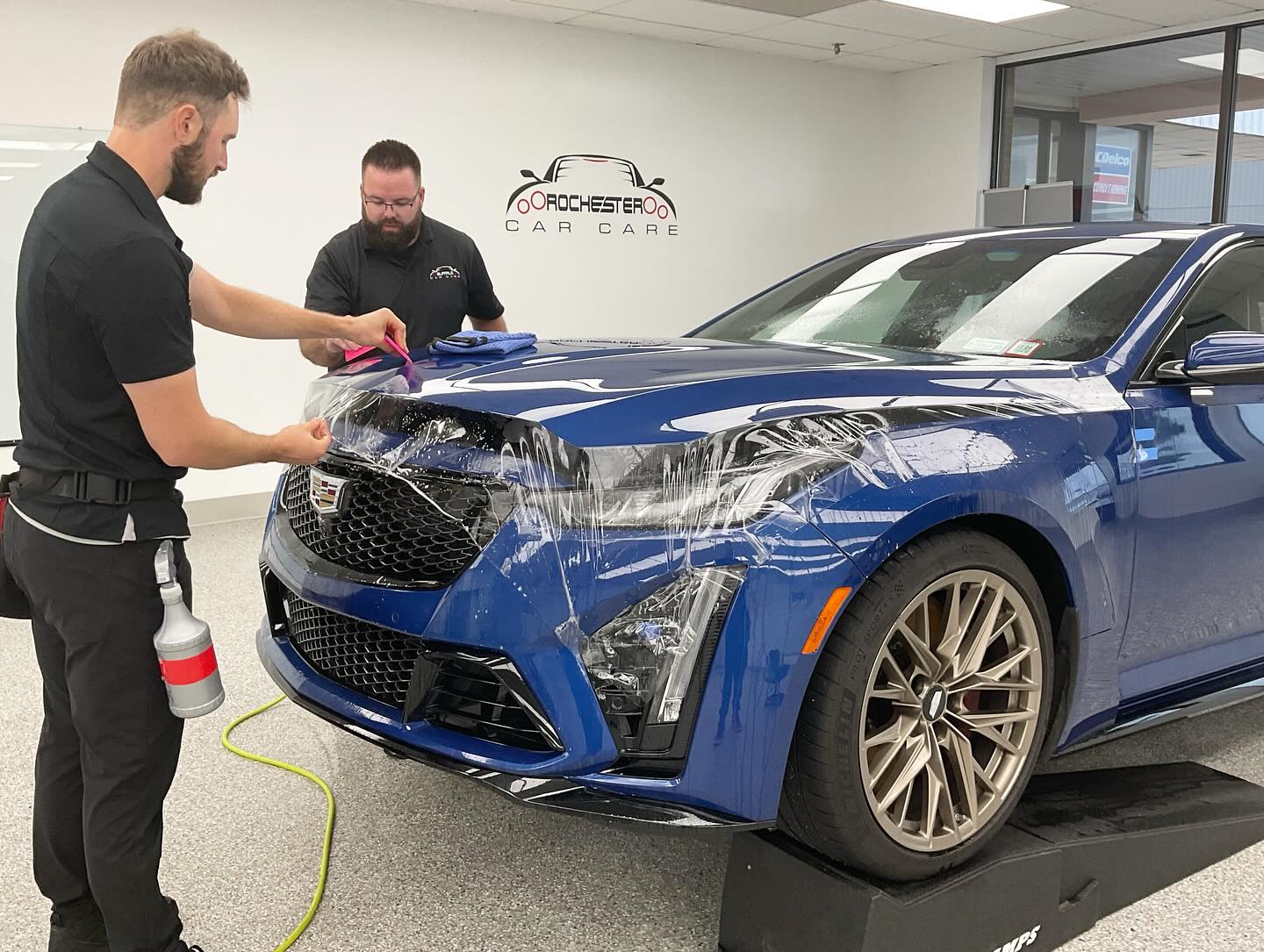
If you live in Rochester, NY, you already know, winter here is no joke. Between the lake-effect snow, the relentless road salt, and the freeze-thaw cycles that crack everything in their path, your car takes a serious beating from November through April. And while most drivers worry about their tires or battery, there’s one thing quietly suffering every single day: your paint.
Paint protection film is one of the best investments Rochester drivers can make to stop that damage before it starts. But most people don’t think about it until they’re staring at chips, scratches, or that dull, faded finish that just won’t polish out. Here’s what’s actually happening to your car, and what you can do about it.
What Rochester Winters Actually Do to Your Car Paint
Rochester consistently ranks among the snowiest large cities in the United States. That’s a badge of honor for some, but for your car’s exterior, it’s a slow, unfolding disaster over months.
Here’s the breakdown of what your paint faces every winter:
- Road Salt Damage: New York state dumps millions of tons of road salt each season. That salt clings to your car's undercarriage, wheel wells, and lower body panels. When it sits on painted surfaces, especially in micro-scratches and chips, it accelerates oxidation and causes rust to take hold far faster than it otherwise would.
- Rock Chips and Road Debris. Winter roads in Rochester are rough. Between potholes, gravel spread for traction, and debris frozen into the pavement, your front bumper, hood, and side mirrors take constant impact. Each chip might look small, but it breaks the clear coat, exposing the base coat beneath.
- Freeze-Thaw Cycling Water, including melted snow and ice, gets into tiny surface imperfections in your paint. When temperatures drop overnight, and that water freezes, it expands. This slowly widens micro-cracks in your clear coat, making your paint more vulnerable each time it happens.
- Acid Snow and Contaminated Precipitation Yep, this is real. Snow picks up pollutants and industrial contaminants as it falls. When that contaminated snow melts on a warm hood or roof, it leaves behind chemical residue that can etch into your clear coat over time.
What Is Paint Protection Film And Why Does It Matter?
Paint protection film (PPF), also called a clear bra, is a thick, transparent polyurethane film applied directly to your vehicle’s painted surfaces. It acts as a physical barrier between your car’s paint and everything the road throws at it.
Here’s what makes PPF different from wax or ceramic coatings:
- Thickness: PPF is typically 6–10 mils thick. That's substantial enough to absorb rock chips that would otherwise leave a mark.
- Self-healing: Premium PPF products have a self-healing top layer. Minor scratches and swirl marks literally disappear with heat from sunlight or warm water.
- Chemical resistance: PPF resists road salt, bird droppings, tree sap, and harsh cleaning chemicals.
- Clarity: Modern PPF is virtually invisible. It doesn't change your paint color or finish.
For Rochester drivers, this isn’t a luxury; it’s practical protection against genuinely harsh conditions.
Who Needs Paint Protection Film in Rochester?
The short answer: most drivers. But here are the groups who benefit most.
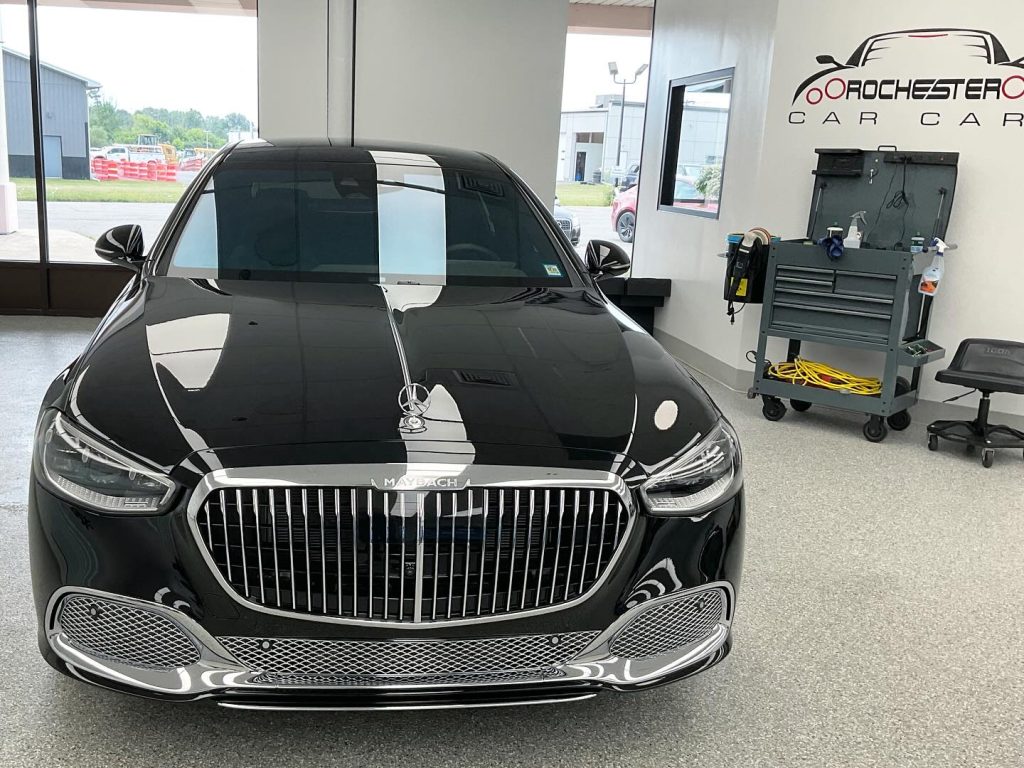
- Luxury and New Car Owners, you just spent $60,000 on a vehicle. A full PPF wrap costs a fraction of that and significantly preserves resale value. A car with protected, chip-free paint commands more at trade-in or private sale. Period.
- Daily Commuters, if you're logging miles on 390, 490, or Route 31 every day through winter, your front end is constantly in the line of fire. A partial PPF package covering your hood, bumper, and mirrors gives you practical protection exactly where you need it most.
- Car Enthusiasts, you care about how your car looks. You detail it regularly. The last thing you want is a rock chip ruining a fresh paint correction. PPF keeps that work intact and gives you a surface that's easier to maintain.
- Lease Drivers Returning a leased car with paint damage means paying for it. PPF protects you from those end-of-lease charges, and it's removable without damaging the original paint underneath.
Paint Protection Film vs. Ceramic Coating: Which One Is Right for You?
This is one of the most common questions Rochester drivers ask. Here’s the honest answer: they do different things, and the best choice depends on your priorities.
Feature | Paint Protection Film | Ceramic Coating |
Physical impact protection | ✅ Yes | ❌ No |
Self-healing | ✅ Yes (premium PPF) | ❌ No |
Hydrophobic (water repelling) | Moderate | ✅ Excellent |
UV protection | ✅ Yes | ✅ Yes |
Chemical resistance | ✅ Yes | ✅ Yes |
Gloss enhancement | Moderate | ✅ Excellent |
Cost | Higher | Lower |
For Rochester winters specifically, PPF wins if your primary concern is physical damage, rock chips, salt abrasion, and impact from road debris. Many Rochester car owners do both: PPF on high-impact zones, ceramic coating over the top for added hydrophobic protection and gloss.
How Much Does Paint Protection Film Cost in Rochester?
Cost varies based on coverage area, film brand, and installer. Here’s a general range:
- Partial front-end package (hood, bumper, mirrors, headlights): $500–$900
- Full front-end package: $1,200–$1,800
- Full vehicle wrap: $3,500–$7,000+
What this means for you: even a basic partial package delivers real-world protection in the areas that take the most winter abuse. You don’t have to go full wrap to get meaningful results.
Pro tip: Ask installers whether they use XPEL, SunTek, or 3M film. These are industry-leading brands with proven durability and warranty support.
When Should You Get PPF Installed in Rochester?
The best time is before winter hits ideally in September or October. You want the film protecting your car before the first salt trucks hit the road.
That said, spring is the second-best window. After a hard winter, many Rochester drivers get a paint correction first to fix any existing damage, then apply PPF to protect the car going into the next season.
Avoid installation in extreme cold. Most professional installers require temperatures above 60°F for the film to adhere properly another reason fall timing works well.
What to Look for in a Rochester PPF Installer
Not all installers are equal. Here’s what to look for:
- Certified installation: Look for XPEL-certified or manufacturer-trained technicians
- Portfolio: Ask to see past work, especially on vehicles similar to yours
- Warranty: Reputable installers offer manufacturer-backed film warranties (5–10 years)
- Clean environment: PPF installation requires a dust-free, climate-controlled space to avoid bubbles and contamination
- Reviews: Check Google reviews specifically mentioning longevity and post-install support
Conclusion
Rochester winters are genuinely tough on your car. Road salt, rock chips, freeze-thaw damage, and contaminated precipitation work against your paint every single day from November through April. The good news is that paint protection film provides a reliable, proven barrier that handles it all.
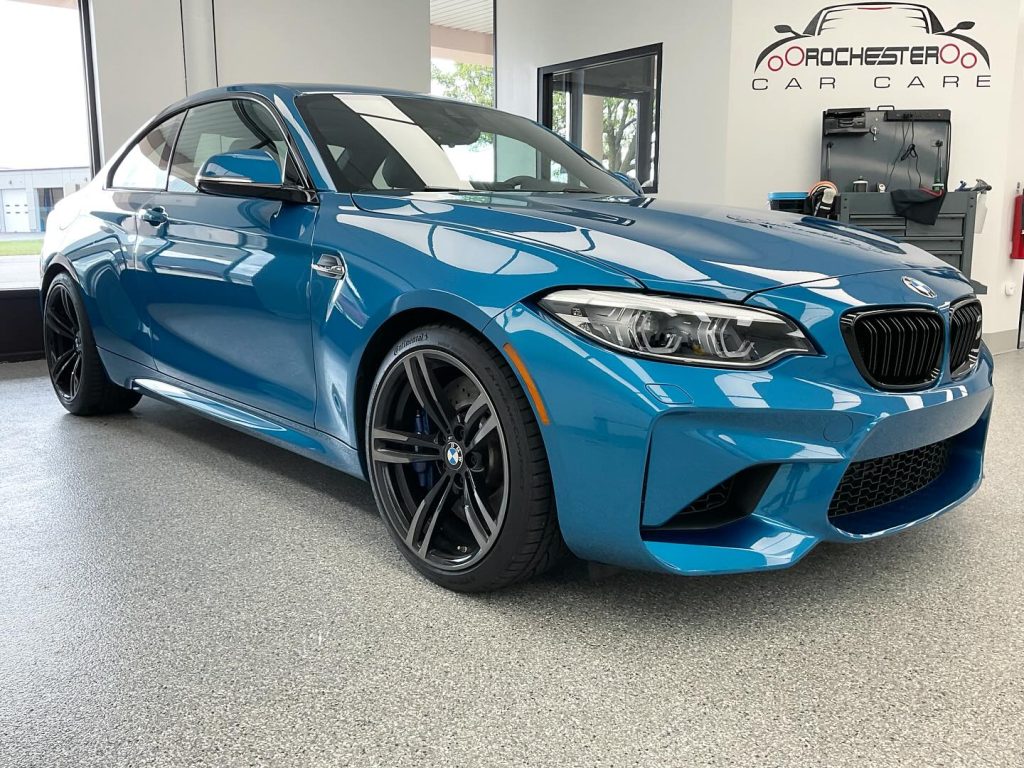
Whether you drive a brand-new BMW, a leased SUV, or a daily driver, you want to keep looking sharp. PPF is one of the smartest investments you can make as a Rochester car owner. Get it installed before the season hits.
FAQ
Does paint protection film work in extreme cold like Rochester winters?
Yes. Once properly installed, PPF performs well in all temperatures. The key is that the installation itself should happen above 60°F so the adhesive bonds correctly. After that, the film is designed to handle freezing temperatures, ice, and road salt without lifting or cracking.
How long does paint protection film last?
Premium PPF products from brands like XPEL or SunTek typically last 7–10 years with proper care. Most come with a manufacturer’s warranty covering yellowing, bubbling, and delamination.
Will paint protection film damage my paint when removed?
No, when installed and removed correctly by a professional, PPF leaves your original paint completely intact. This is one reason it’s popular with lease drivers.
Can I wash my car normally after PPF installation?
Yes, though you should wait 48–72 hours after installation before washing. After that, standard hand washing and touchless car washes are fine. Avoid high-pressure jets aimed directly at the film edges.
Is ceramic coating enough, or do I need PPF for Rochester winters?
Ceramic coating alone won’t protect against rock chips or physical impact — it’s a surface treatment, not a protective layer. For Rochester’s winter conditions, PPF is the better choice for impact protection. Many drivers combine both for maximum results.