



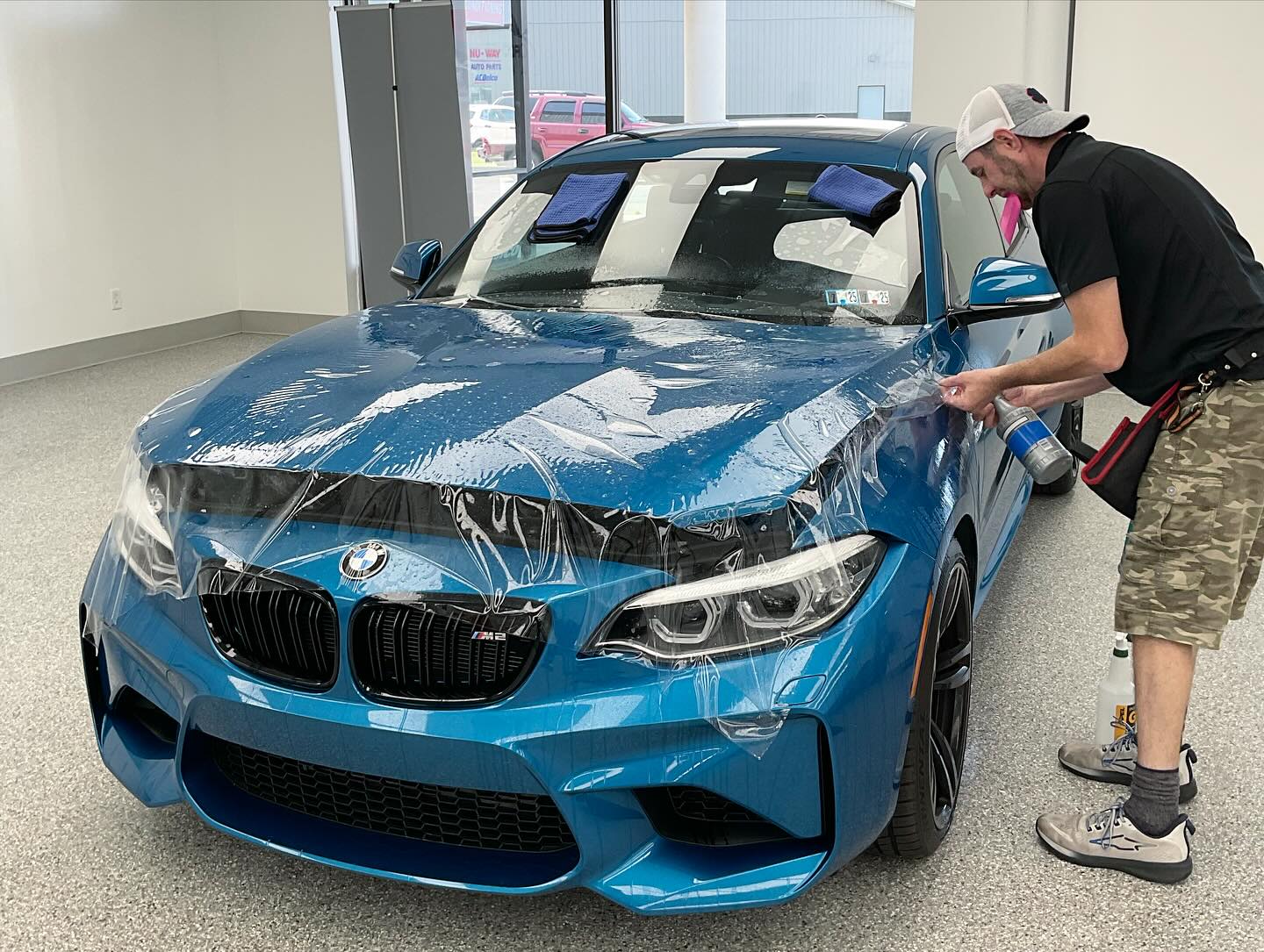
Most car owners wonder where to apply paint protection film (PPF) for the best results, but the answer isn’t always straightforward. Different parts of a car face different levels of damage depending on how and where you drive. While partial protection works for many, full-car PPF offers more comprehensive coverage and long-term peace of mind. In this guide, we’ll break down the best areas for PPF installation and when full coverage actually makes sense.
What is Paint Protection Film (PPF)?
Paint Protection Film is a clear protective layer applied over your car’s paint to protect it from real-world damage. Every time you drive, your car is exposed to stone chips, road grit, scratches in parking spaces, and constant dust buildup. Over time, this slowly affects the paint finish. PPF acts like a protective skin, absorbing most of that impact so the original paint stays untouched.
In busy driving conditions, especially on highways or crowded city roads, paint damage happens much faster than most owners realize. That is why it makes more sense to focus on the best areas for PPF installation in Rochester instead of covering the entire car without knowing what actually suits their needs.
Best Areas to Apply PPF on Your Car
1. Front bumper
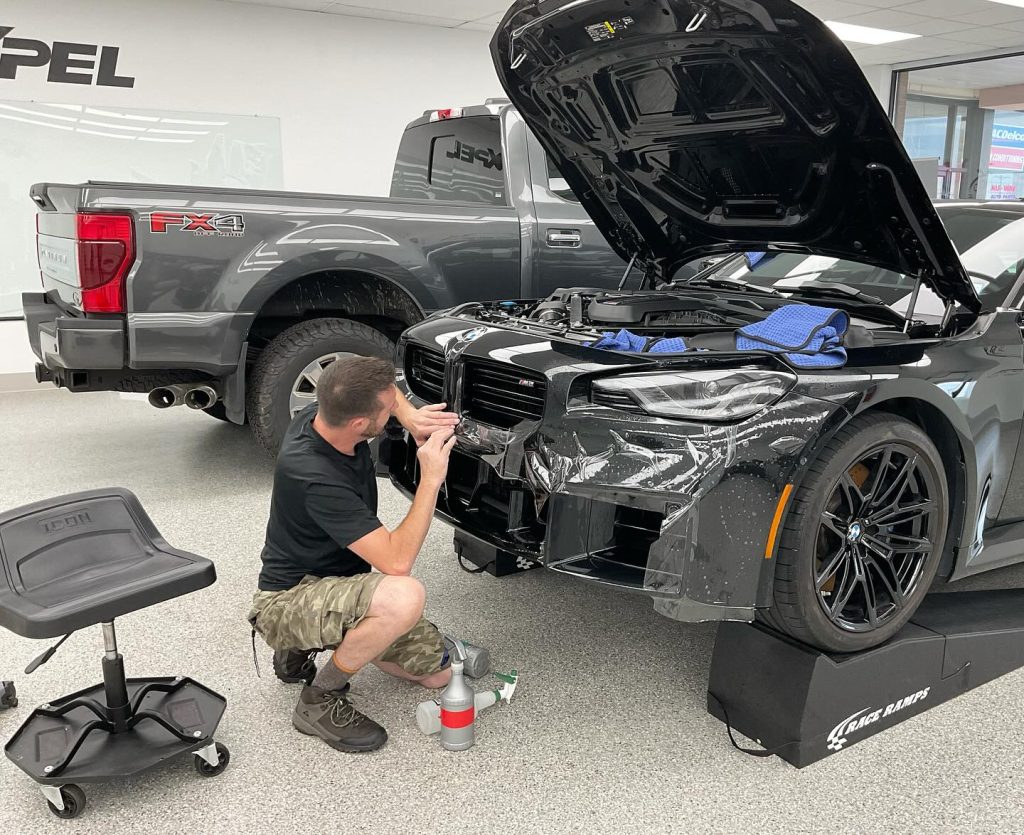
The front bumper takes the hardest hit in daily driving. From stone chips on highways to dust, insects, and small debris, it is constantly exposed. That’s why this is usually the first area recommended for paint protection film (PPF).
2. Hood
The hood is another high-impact zone. Even small chips can stand out clearly on a flat surface. Some owners opt for partial coverage, but full-hood PPF provides a cleaner, more uniform finish over time.
3. Side mirrors
Side mirrors stick out from the body, making them more vulnerable than they appear. They often get scratched in tight parking areas or hit by passing objects, making them a smart area to protect early.
4. Door edges and handles
These are the most frequently touched parts of the car. Rings, nails, keys, and door contact in parking spaces slowly create scratches here. A small layer of protection here helps maintain a cleaner everyday look.
5. Fenders
Front fenders sit right in the path of road debris thrown up by tyres. Over time, this leads to small chips that become more visible, especially on darker cars.
6. Rocker panels
Rocker panels collect dirt, gravel, and water splash from the road. This area is often ignored, but it’s one of the first places where dullness and rough texture begin to appear.
7. Rear bumper
The rear bumper gets scratched during loading and unloading of luggage or bags. Even light contact over time can leave marks, making PPF a practical choice here as well.
Benefits of Paint Protection Film (PPF)
1. Self-healing surface
High-quality films like XPEL PPF come with self-healing properties. Light swirl marks and fine scratches can disappear when exposed to heat from sunlight or warm water, keeping the surface smooth.
2. Protection from real road damage
PPF helps reduce damage from stone chips, scratches, and road debris that happen during everyday driving. It works as a physical barrier between the paint and the outside environment.
3. Keeps paint looking fresh
Because the paint is not directly exposed to dust, or washing marks, the car maintains a cleaner and fresher appearance for a longer time.
4. UV protection
Constant sunlight can cause fading and dullness over time. PPF adds a layer of UV resistance that helps preserve the original paint color, especially in hot climates.
5. Better resale value
A well-maintained exterior always creates a stronger impression when selling a car. Paint in good condition often leads to better buyer confidence and improved resale value.
Partial PPF vs Full Car PPF: The Better Choice
Partial PPF focuses only on high-impact areas like the front bumper, hood, mirrors, and lower sections. It works well for daily city driving because these are the parts most exposed to damage. Many car owners first check where to apply PPF on cars and then choose partial coverage based on their usage and budget.
Full car PPF, on the other hand, covers every panel of the vehicle. This gives consistent protection across the entire surface, reducing the need to think about individual risk areas. It is often chosen for new or premium cars where long-term condition matters more than initial cost.
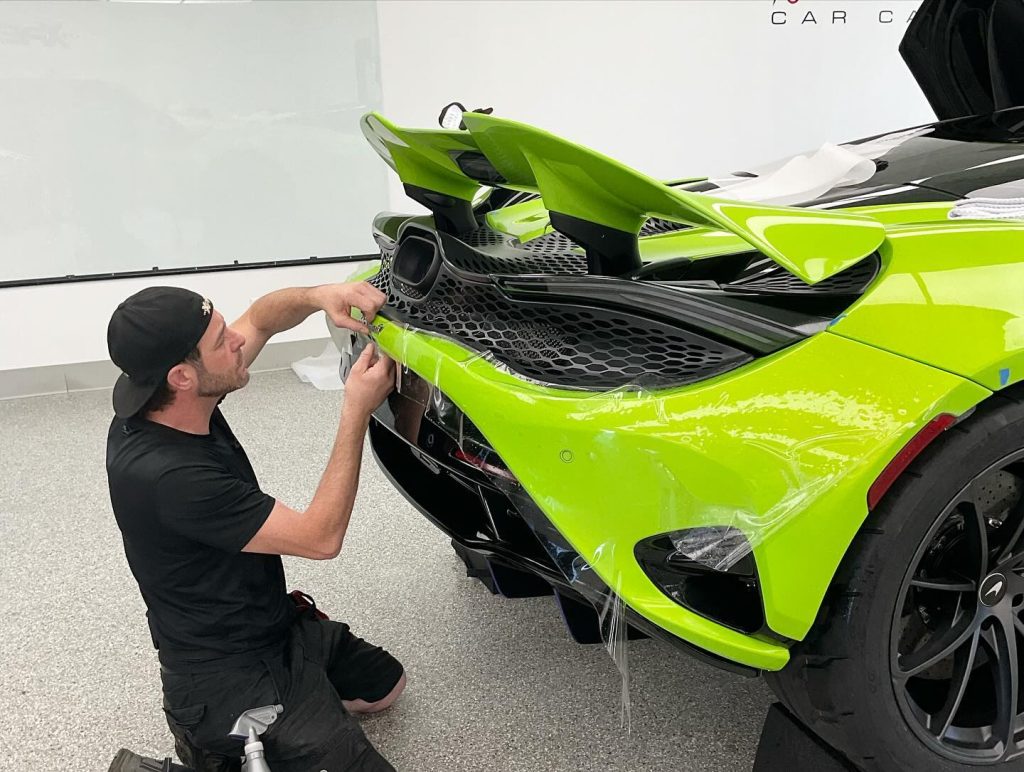
The difference between the two is not just coverage but execution. A professional installer like Rochester Car Care ensures proper alignment, clean finishing, and long-lasting application. Even the best paint protection film performs properly only when installed correctly on the right areas.
Ready to Protect Your Car?
Choosing between partial and full paint protection film depends on how you drive and how much coverage you actually need. Some owners prefer targeted protection, while others choose full coverage for complete peace of mind.
At Rochester Car Care, we focus on proper installation and use high quality products like XPEL PPF. Contact us today or get a free quote online and we’ll help you choose what works best for your car.