



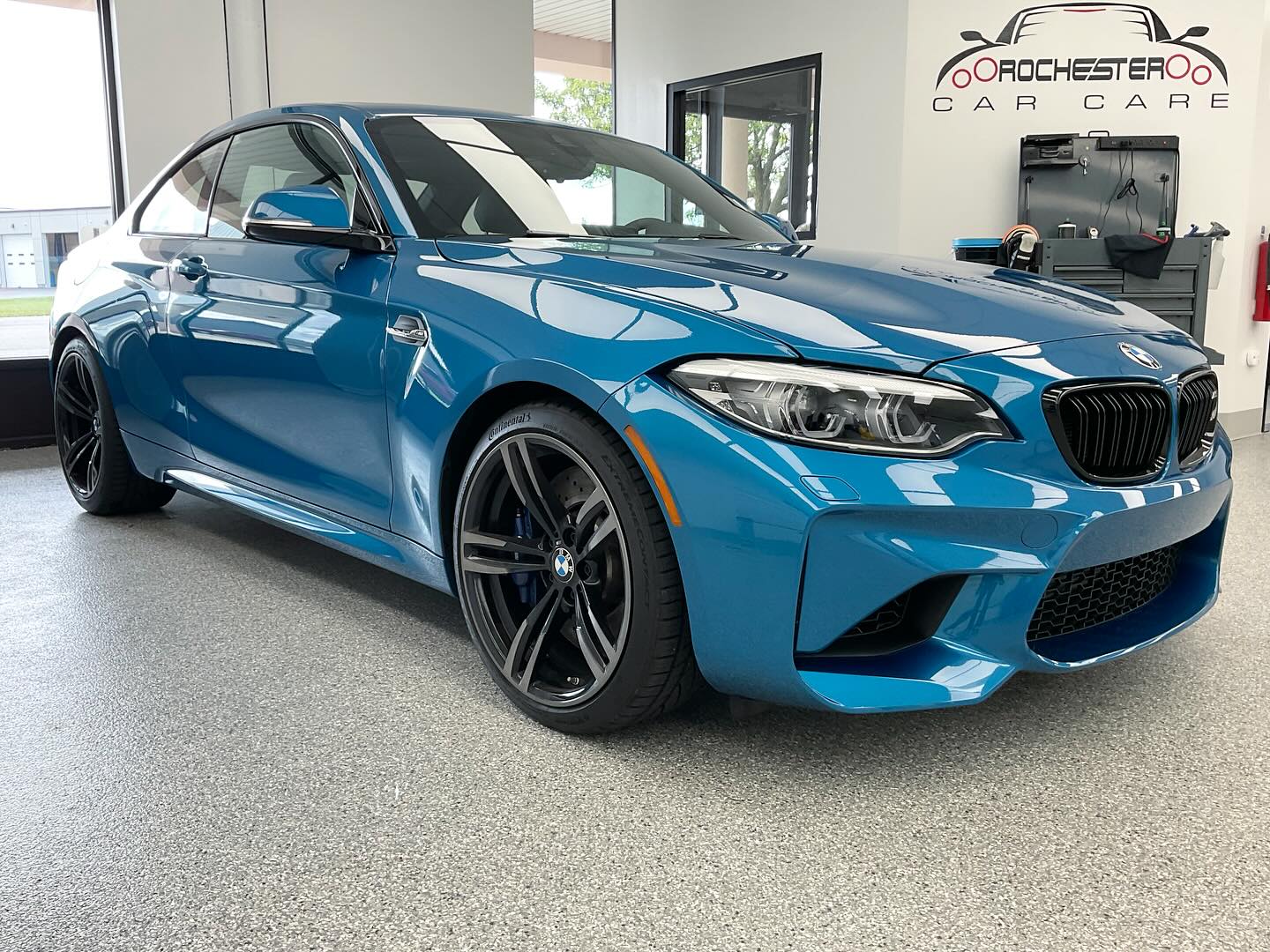
Maintaining your car’s exterior is important for both looks and value. Paint correction removes imperfections from the surface, leaving a flawless finish. But is it worth the investment?
Deciding if paint correction is worth the investment comes down to weighing the benefits. For many owners, Paint correction also restores gloss lost to oxidation and improper washing, delivering a dramatic, immediately noticeable upgrade. A high-quality paint correction can greatly improve your car’s appearance and help maintain its value over time. In this article, we’ll break down the key factors to help you decide if paint correction is right for you.
What Is Paint Correction?
Paint correction restores a vehicle’s finish and shine using an electric polisher, buffing compounds, and microfiber pads. This process removes scratches, swirl marks, and hazing from the clear coat, helping faded paint regain its original luster. With careful application, light scratches can be removed without causing damage, leaving a polished, refreshed look.
The process usually involves these steps:
- Inspection: A detailer examines the car’s paint under different lighting to spot imperfections like swirl marks, scratches, etching, and oxidation.
- Washing and Decontamination: The car is thoroughly cleaned to remove dirt, grime, and contaminants. A clay bar may be used to eliminate particles that can’t be removed through regular washing.
- Compounding and Polishing: This is the main step of paint correction. A detailer uses a dual-action or rotary polisher with abrasive compounds and polishes to remove a thin layer of the clear coat, getting rid of surface imperfections. The process starts with heavier abrasives and finishes with finer polishes for a smooth, glossy look.
- Protection: After correcting the paint, a protective layer like wax, sealant, or ceramic coating is applied to protect the finish and boost its shine.
Why Opt for Paint Correction?
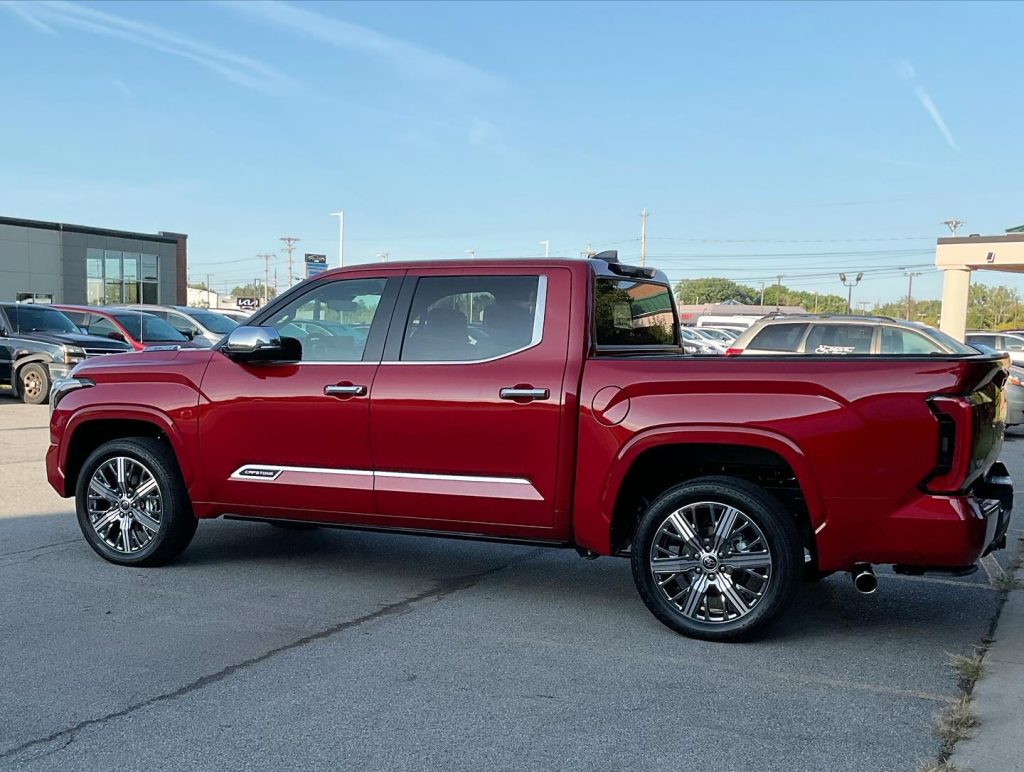
Paint correction is a great way to enhance your car’s exterior, protect it from further damage, and even boost its resale value. It’s often more affordable than a full repaint, especially if the issues are minor, like swirl marks, scratches in the clear coat, or surface oxidation.
Cosmetically, paint correction eliminates blemishes like bird droppings, restores shine, and improves the overall appearance of your vehicle. It can also remove embedded scratches caused by environmental factors such as acid rain. Additionally, this process provides protection against harmful UV rays, which can cause significant damage over time if untreated.
Beyond restoring your car’s looks, paint correction acts as a protective layer, preventing future damage. This added durability and improved appearance can make your car more appealing to buyers, potentially increasing its resale value significantly compared to leaving the paintwork untouched.
Why Do You Need Paint Correction?
1. Restores Your Car’s Showroom Shine
Over time, even the best-kept cars can lose their shine. Paint correction helps get rid of imperfections and restores that deep, glossy look your car had when it was brand new. Whether you’re getting ready to sell or just want to enjoy how great your car looks, paint correction can make it feel like new again.
2. Increases Resale Value
3. Protects Your Investment
Your car is one of the most valuable things you own. Paint correction doesn’t just make it look great—it also helps protect the paint from damage. By getting rid of contaminants and adding a protective layer, you can avoid problems like rust and corrosion, which can be expensive to fix.
4. Prepares for Ceramic Coating
5. Boosts Your Pride of Ownership
There’s nothing quite like driving a car that looks spotless. Paint correction doesn’t just make your car look amazing—it also gives you that extra sense of pride. Whether you’re hitting the highway or showing it off at a car meet, a polished and flawless paint job is sure to catch eyes and get plenty of compliments.
Is Polishing and Paint Correction the Same?
No, these are two different processes that aim for the same result. Polishing uses abrasive chemicals to remove minor scratches and contaminants from your car’s paint. Paint correction, on the other hand, is a more intensive, one-time process that thins the clear coat of your vehicle to restore the finish.
Polishing is often done alongside buffing and waxing. After buffing, the car is polished and then waxed to seal the paint. This is a straightforward procedure that can be done after a regular car wash and is not as intensive as paint correction.
Paint correction, however, is a longer process. It starts with completely decontaminating the car, removing any sealants, and polishing it. The paintwork is then carefully inspected for damage. Different scratches require specific treatments, making this a detailed and time-consuming procedure.
How Long Does Paint Correction Last?
Is A Paint Correction Worth It?
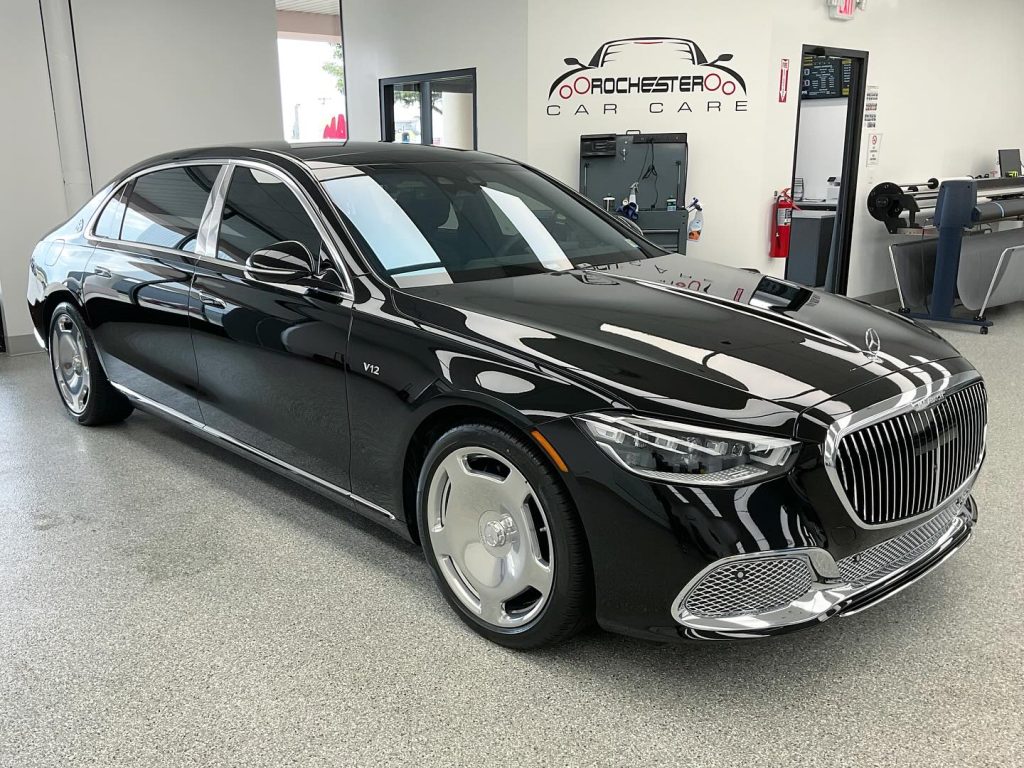
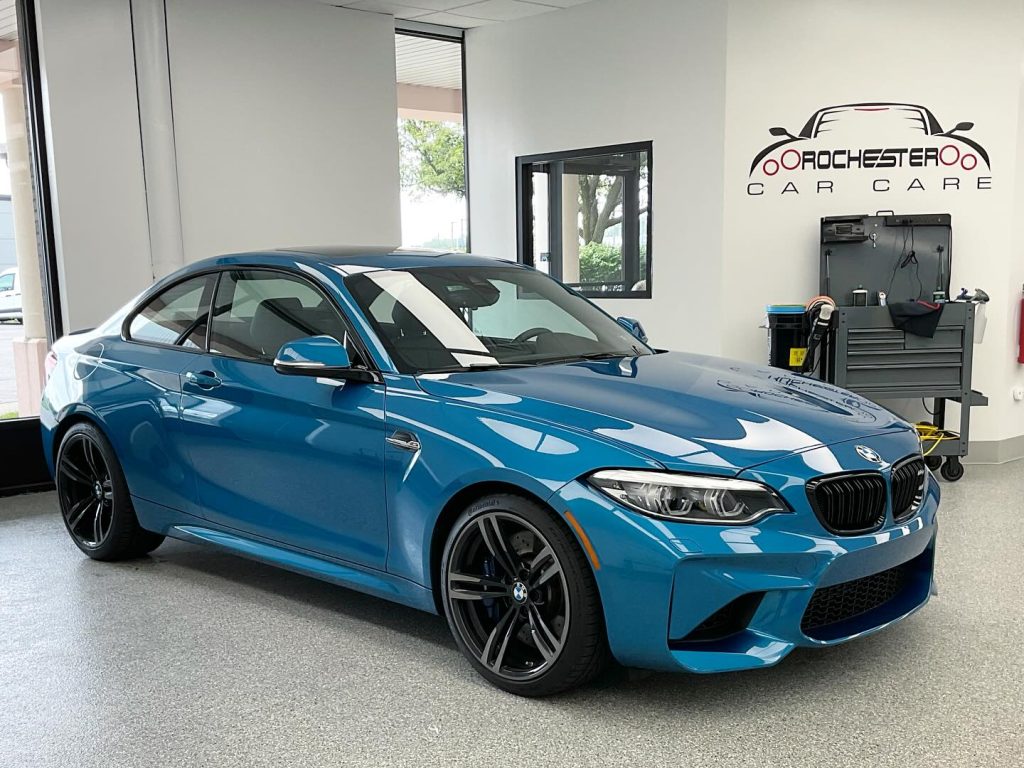
Paint correction has several benefits. The most obvious one is that it makes your car look amazing, especially for darker-colored vehicles, which will shine even more after the process. It also helps maintain your car’s resale value.
That said, paint correction can be expensive because it often takes many hours—or even days—to complete. You’ll also need to properly care for your car afterward to keep it looking its best. In some cases, if the paint is severely damaged, a full repaint might be the only option.
If your car is just a tool to get you from A to B, or you’re on a tight budget, a different detailing method might be better. But if you want your car to look stunning, paint correction is absolutely worth the time and cost.

When You Should Get the Paint Corrected
If your car’s paint is looking dull or you’ve noticed marks affecting its appearance, it might be time for a paint correction. Over time, it’s normal for the color to lose its vibrancy—everyday wear and tear, even car washes, can cause a faded finish. We’re here to help restore your car’s shine and make it look like new again. At Rochester Car Care, we recommend getting your car paint corrected every 2-3 years to maintain its appearance.