



Your car’s paintwork is more than just about aesthetics—it’s a protective layer that shields the body from corrosion and damage. Unfortunately, daily exposure to environmental elements can gradually deteriorate even the most premium automotive paint. From harsh UV rays to road debris and chemical contaminants, your vehicle faces numerous threats that can diminish its appearance and value.
In this blog, we’ll explore three proven methods to significantly extend your car paint’s lifespan, keeping your vehicle looking newer for longer while maintaining its resale value.
Understanding What Damages Your Car's Paint
Before diving into protection methods, it’s essential to understand what we’re protecting against:
- UV Radiation: Continuous sun exposure leads to oxidation, causing paint to fade and lose its luster
- Environmental Contaminants: Bird droppings, tree sap, and industrial fallout contain acids that can etch into your clear coat
- Road Debris: Gravel, rock chips, and road salt can chip paint and accelerate corrosion
- Improper Washing Techniques: Using harsh chemicals or incorrect washing methods can create swirl marks and micro-scratches
Now, let’s explore the most effective ways to shield your vehicle’s finish from these damaging elements.
1. Invest in Professional-Grade Paint Protection Film (PPF)
Paint Protection Film represents the gold standard in automotive paint protection, offering an invisible yet highly effective shield against physical damage.
What is PPF?
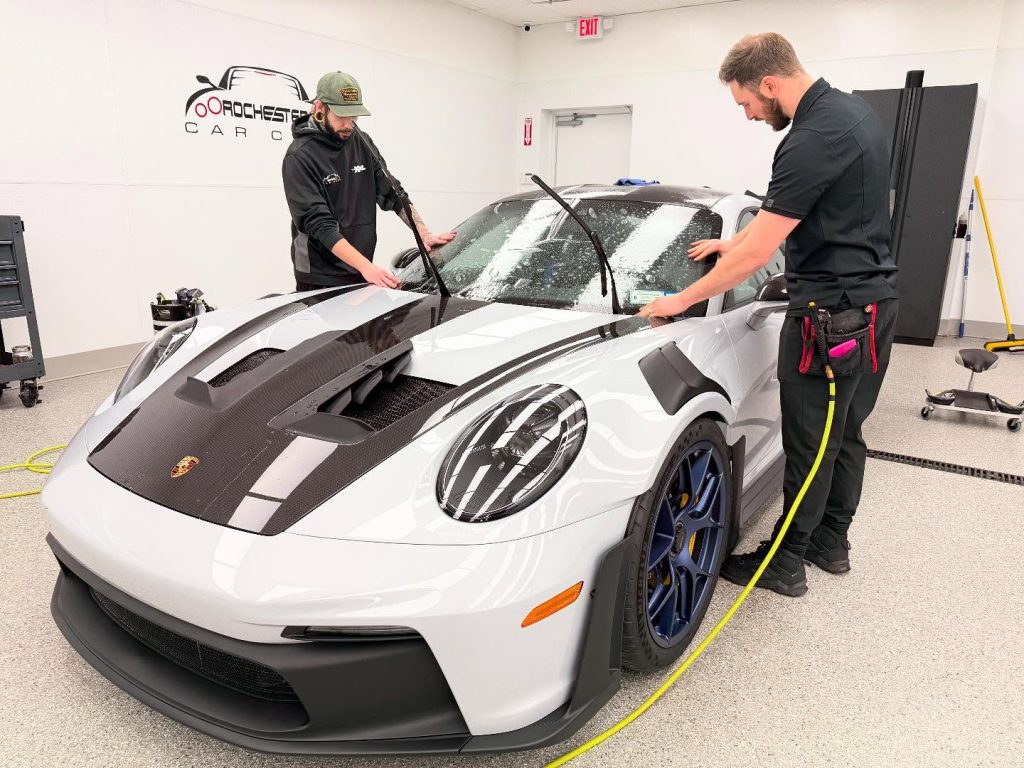
PPF is a thermoplastic urethane film professionally applied to high-impact areas of your vehicle, such as the hood, front bumper, side mirrors, and door edges. Modern PPFs come with remarkable properties:
- Self-healing technology: Minor scratches disappear when exposed to heat
- Impact absorption: Protects against rock chips and road debrisdroppings, tree sap, and industrial fallout contain acids that can etch into your clear coat
- UV resistance: Prevents paint degradation and fading
- Hydrophobic properties: Repels water, dirt, and contaminants
Why Choose PPF?
While PPF requires professional installation and represents a higher initial investment, it provides unmatched protection against physical damage that no other solution can offer. For those who drive frequently on highways or gravel roads, PPF is particularly beneficial for preventing those frustrating rock chips that inevitably occur over time.
The film is virtually invisible when properly installed and can last 5-10 years, making it an excellent long-term investment in your vehicle’s appearance and value.
2. Apply Ceramic Coating for Chemical Protection
While PPF excels at physical protection, ceramic coatings provide superior chemical resistance and enhance your paint’s appearance with minimal maintenance.
Benefits of Ceramic Coating:
- Long-lasting protection: Unlike traditional waxes that last weeks, quality ceramic coatings can protect for 2-5 years
- Enhanced gloss and depth: Creates a showroom-quality finish that enhances your car's color
- Chemical resistance: Forms a barrier against environmental contaminants like bird droppings and tree sap
- Hydrophobic surface: Makes cleaning easier as water beads and rolls off, taking dirt with it
- UV protection: Helps prevent oxidation and paint fading
Professional vs. DIY Application:
While DIY ceramic coating products are available, professional-grade ceramic coatings offer superior durability and protection. Professional application ensures proper paint preparation—including clay bar treatment, polishing, and surface decontamination—crucial for optimal bonding and longevity.
A professionally applied ceramic coating creates a semi-permanent bond with your vehicle’s paint at the molecular level, providing protection that significantly outperforms traditional waxes and sealants.
3. Establish a Proper Maintenance Routine
Even with PPF and ceramic coating, regular maintenance remains essential for maximizing your paint’s lifespan. A proper care routine prevents the accumulation of damaging contaminants and preserves your protective layers.
Regular Washing with Proper Technique
- Use pH-neutral car shampoo specifically formulated for automotive finishes
- Employ the two-bucket washing method (one for soap, one for rinsing) to prevent swirl marks
- Wash from top to bottom, using clean microfiber wash mitts
- Dry with plush microfiber towels to prevent water spots
Immediate Contaminant Removal
- Remove bird droppings, tree sap, and bug splatter as soon as possible
- Keep a quick detailer and microfiber towels in your car for immediate spot cleaning
- Use specialized products for stubborn contaminants like tar and industrial fallout
Strategic Parking Habits
- Park in shaded areas or garages when possible to minimize UV exposure
- Use a high-quality car cover when long-term outdoor parking is unavoidable
- Avoid parking under trees that drop sap or attract birds
Periodic Decontamination
- Use a clay bar treatment quarterly to remove embedded contaminants
- Apply paint sealant or wax as a sacrificial layer over ceramic coatings
- Schedule professional maintenance services for ceramic coatings annually
Conclusion: A Layered Approach for Maximum Protection
The most effective paint protection strategy combines all three methods in a complementary system:
- Paint Protection Film on high-impact areas for physical defense
- Ceramic Coating across the entire vehicle for chemical resistance and enhanced appearance
- Proper Maintenance Routine to preserve both protective layers and address any issues promptly
While this comprehensive approach requires an initial investment, it significantly reduces long-term costs associated with paint correction, touch-ups, and diminished resale value. More importantly, you’ll enjoy driving a vehicle that continues to look its best year after year.
Remember, your car’s paint is its first defense against the elements. Protecting it isn’t just about aesthetics—it’s about preserving your vehicle’s integrity and value for years.
Call Rochester Car Care today and get the best paint protection services done by the professionals.